
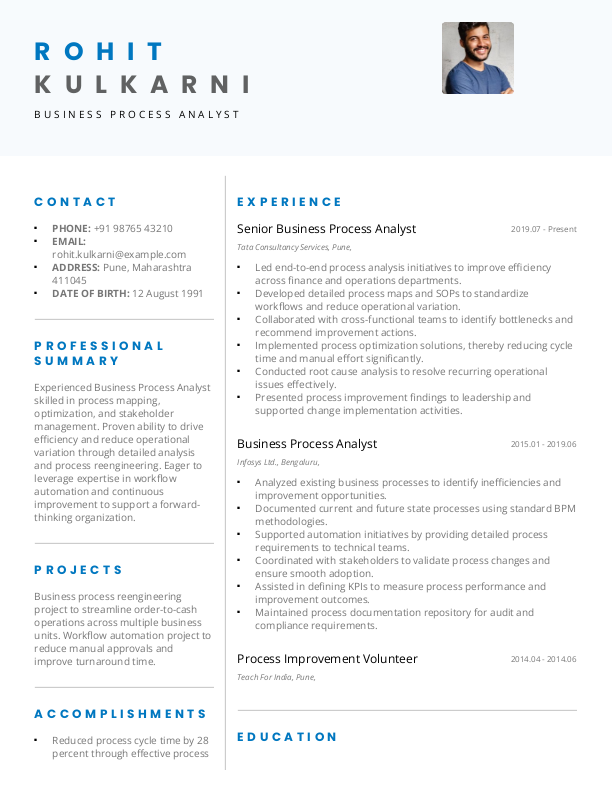
Most Common Question for Jobseekers – Can a Resume Be 2 Pages
One of the most common questions job seekers ask is: Can a Resume Be 2 Pages?
You may have heard the old rule that a resume must always be one page — but in today’s job market, that advice is not always correct.
The truth is: yes, a resume can be two pages, and in many cases, it should be. However, whether a two-page resume is right for you depends on your experience level, industry, and the role you’re applying for.
This article explains when a two-page resume is acceptable, when it’s not, and how to do it correctly so you don’t hurt your chances.
The One-Page Resume Myth
The idea that resumes must be one page originated decades ago when:
- Resumes were physically printed
- Hiring managers skimmed stacks of paper
- Career paths were shorter and simpler
Today, resumes are:
- Read digitally
- Screened by ATS (Applicant Tracking Systems)
- Evaluated for skills, impact, and relevance
Modern hiring managers care far more about value than length.
Can a Resume Be 2 Pages Is Acceptable (and Recommended)
A two-page resume is completely acceptable — and often preferred — in the following situations:
1. You Have 5+ Years of Relevant Experience
If you have several years of professional experience, it’s unrealistic to fit:
- Multiple roles
- Key achievements
- Projects and responsibilities
into a single page without removing important details.
A second page allows you to show career progression and impact, not just job titles.
2. You’re Applying for Mid-Level or Senior Roles
For roles such as:
- Managers
- Senior engineers
- Consultants
- Project leads
- Subject-matter experts
a one-page resume often looks incomplete or oversimplified.
Hiring managers for senior roles expect:
- Depth
- Leadership examples
- Results and metrics
All of this requires space.
3. You Work in a Technical or Specialized Field
Fields like:
- IT & software development
- Engineering
- Data science
- Healthcare
- Research
- Finance
often require listing:
- Technical skills
- Certifications
- Tools
- Complex projects
Trying to squeeze this into one page can reduce clarity and weaken your profile.
4. You Have Strong, Relevant Achievements
If your resume includes:
- Quantified results
- High-impact projects
- Promotions or role expansions
cutting them just to stay on one page can actually hurt your application.
A two-page resume allows you to prove your value, not just claim it.
When You Should Stick to One Page
Despite the benefits, a two-page resume is not always appropriate.
1. You’re a Student or Recent Graduate
If you have:
- Limited work experience
- Mostly academic projects
- Few internships
a one-page resume is usually enough and looks more focused.
2. You Have Less Than 3 Years of Experience
Early-career professionals generally don’t need two pages unless:
- They’ve worked on highly relevant projects
- They have significant internships or certifications
Otherwise, a second page may appear like unnecessary filler.
3. You’re Applying for Creative or Entry-Level Roles
Some roles value:
- Brevity
- Strong summaries
- Clear skills
Overly long resumes may be skimmed or ignored in fast-paced hiring environments.
What Recruiters Actually Care About
Recruiters don’t reject resumes because they are two pages long. They reject resumes because they are:
- Unfocused
- Repetitive
- Filled with irrelevant information
- Poorly formatted
A strong two-page resume is always better than a weak one-page resume.
How to Make a 2-Page Resume Work (Important Rules)
If you decide to use two pages, follow these rules carefully:
1. Every Line Must Earn Its Place
Ask yourself:
- Is this relevant to the job?
- Does it show skill, impact, or growth?
Remove:
- Old or unrelated roles
- Generic responsibilities
- School details once you’re experienced
2. Prioritize the First Page
The first page should contain:
- Your name and contact details
- Professional summary
- Core skills
- Most recent and most relevant experience
Hiring managers often decide within the first page whether to continue.
3. Don’t Split Important Sections Awkwardly
Avoid:
- Splitting a job description across pages
- Ending page one with a single bullet point
Use clean formatting so page two feels intentional, not accidental.
4. Keep It ATS-Friendly
Use:
- Standard headings (Experience, Skills, Education)
- Simple fonts
- Consistent formatting
ATS systems can read two-page resumes without any issue — as long as formatting is clean.
How Long Should a Resume Ideally Be?
A practical guideline:
- 0–3 years experience: 1 page
- 3–7 years experience: 1–2 pages
- 7+ years experience: 2 pages (sometimes 3 for executive roles)
This is not a strict rule, but a helpful reference.
Final Verdict: Can a Resume Be 2 Pages?
Yes — a resume can absolutely be two pages.
What matters most is:
- Relevance
- Clarity
- Impact
- Readability
If a second page helps you present your experience more effectively, use it confidently. A well-written two-page resume signals professionalism, not weakness.
Explore Some Resume Designs & Content of Resume
[sp_wpcarousel id=”2604″]

Want to improve your resume further? Explore helpful career resources from trusted sites like Indeed Career Guide. This platform offer simple tips, interview guidance, and skill-building courses that can support your job search and help you create a stronger, more professional resume.